
3 Tips For Faster Needle Felting
Posted on
3 Tips for Faster Needle Felting
Needle felting wool or other fibre is great for creating anything you can think to make; from bunnies to landscapes, but sometimes your fingers can get a bit tired of the repeated stabbing motion with the felting needle. So, we thought we would share a few tips to relieve achy fingers and wrists when needle felting.
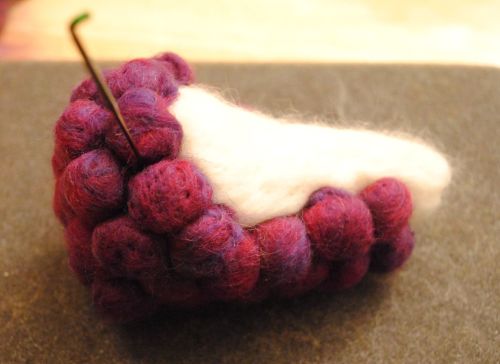
Tip One – Plan your project, it may sound obvious but to save corrections or discarded work a simple plan of what you are aiming at making saves a lot of time later. Often a few clear detailed photos will do, or a tutorial either written with pictures or video. And if it is something you have dreamt up them a few sketches with as much detail as you can think to add, including stages of working and approximate measurements. Research any tricky techniques to increase your still base and ultimately save you time.
Tip Two – Use carded wool, either carded batts or carded sliver. They are great for creating a core or central structure you later cover with other wool. This is useful for creating a ‘core’ for 3D work or for a fast felting base for flat work as an alternative to craft felt or prefelt. Carded sliver is ideal for wrapping around metal armature frames too. The carded wool felts very fast and other wool such as merino tops or other fibres can be added at the next stage of creating.
Tip Three – Have a selection of felting needles. Trying to use one sized needle will mean spending longer at the beginning for the wool to take shape and reducing the ability to add detail and finishing touches at the end stages. Using The correct needle at each stage means faster and more accurate working throughout the project and a better finished item. A felting tool that can hold more than one needle at a time are great for flat work or very large 3D items and the starting stages before adding detail.
Needle felting is a great way to relax, be creative and make something beautiful, you are sure to fall in love with. So sometimes it is worth popping your work away for tomorrow rather than try to get it done quickly.
Next steps read this article on guide to needle gauges