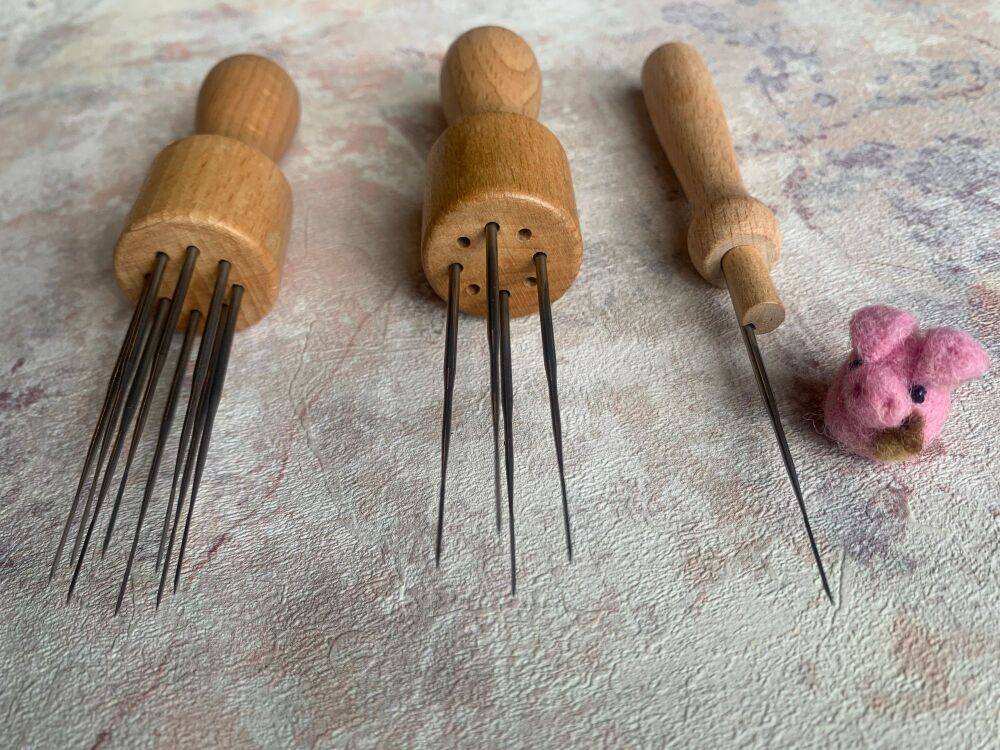
Working with Needle‑Felting Handles: Comfort, Precision and Proper Needle Loading
Posted on
Working with Needle‑Felting Handles: Comfort, Precision and Proper Needle Loading
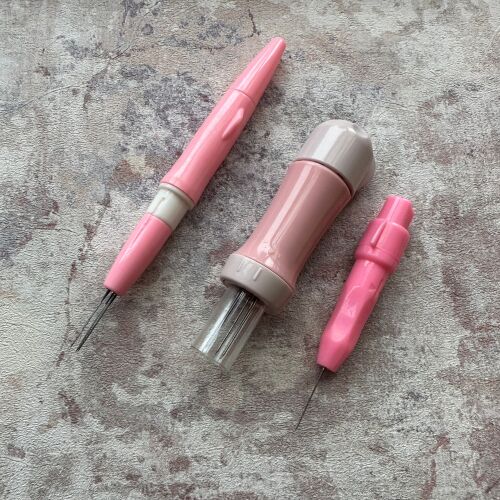
Needle‑felting handles are more than comfort tools — they influence precision, speed, and how efficiently you can work. The right grip, angle, and needle setup reduce strain, improve control, and help you felt more effectively. This guide explains how to use both plastic and wooden handles, and how to load them safely with felting needles.
How to Hold a Needle Felting Handle
- Use a relaxed grip: A loose, pencil‑like hold improves control and reduces fatigue.
- Keep your wrist neutral: Move from the elbow and shoulder for straighter, smoother stabs.
- Let the handle do the work: Handles distribute pressure so you don’t need to grip tightly.
- Adjust grip position: Hold higher for precision, lower for power.
Using Single Needle Handles
Single‑needle handles (plastic or wooden) are ideal for detail work and sculpting.
- Work at a shallow angle: Reduces breakage and gives cleaner surface detail.
- Use short, controlled stabs: Essential for small features like noses, paws, or eyelids.
- Switch needles easily: Plastic handles often allow quick swaps; wooden ones may need tightening.
Using Multi Needle Handles
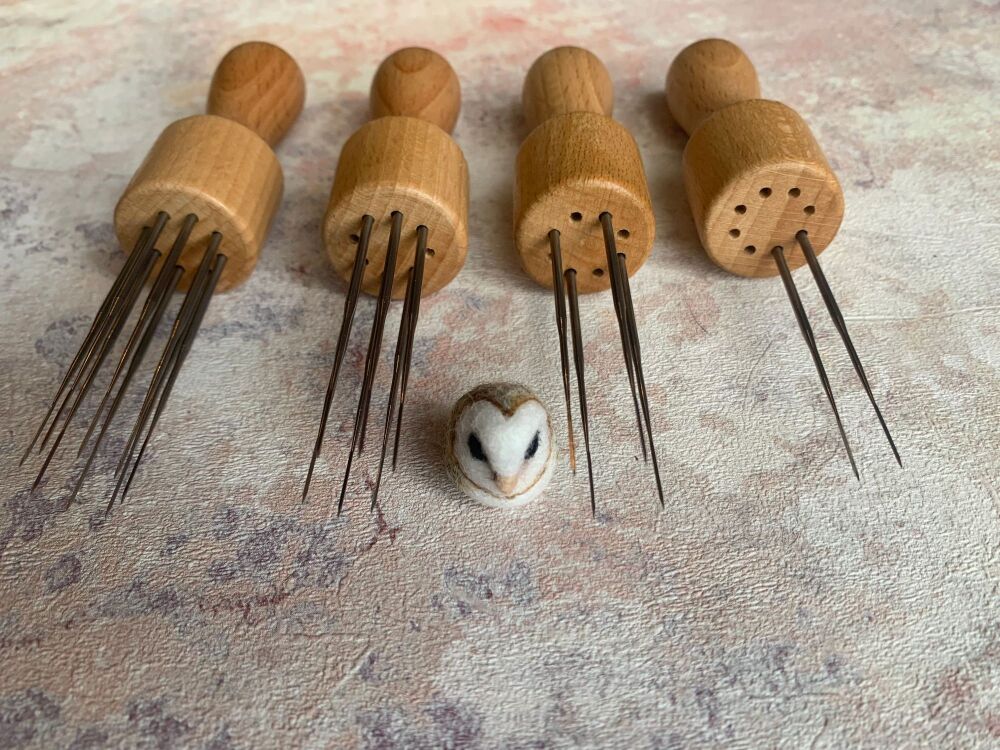
Multi‑needle handles speed up felting, especially for early shaping and large areas.
- Use a vertical stabbing motion: Ensures all needles enter the wool evenly.
- Start with fewer needles: Two or three are easier to control than five.
- Work on firm surfaces: A foam pad or brush mat protects needles from bending.
- Use multi‑needle tools for early shaping: Switch to a single needle for refinement.
Technique Tips for Any Handle
- Always stab straight in and out: Prevents breakage and keeps felting even.
- Match needle gauge to the job: Coarse for shaping, fine for detail.
- Check needle alignment: Especially important in multi needle handles.
- Use the right pressure: Let the barbs do the work.
- Experiment with grip styles: Pencil grip vs. small tool grip.
Common Mistakes When Using Handles
- Gripping too tightly: Causes fatigue and reduces control.
- Using too many needles too soon: Leads to uneven felting and breakage.
- Working at an angle: Increases breakage risk, especially with multi needle tools.
- Not securing needles properly: Loose needles wobble and snap.
- Ignoring ergonomics: Poor posture strains shoulders and wrists.
How to Load a Needle Felting Handle with Felting Needles
Different handles load differently, but the core steps are the same: open the handle, insert the needle(s), secure them, and check alignment. These instructions cover single needle and multi needle handles.
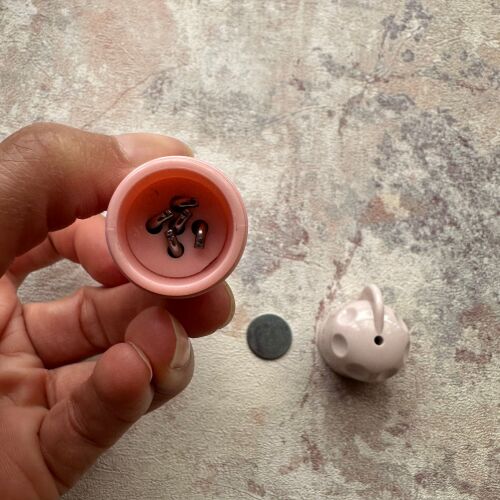
Before You Start
- Choose the right needle gauge: Coarse for shaping, fine for detail.
- Use gauges 38–46 for ease of stabbing in multi‑needle tools: These glide smoothly, reduce resistance, and are less likely to catch.
- Check needle orientation: Barbs must face downward toward the wool.
- Work over a soft surface: A foam or wool mat prevents snapping.
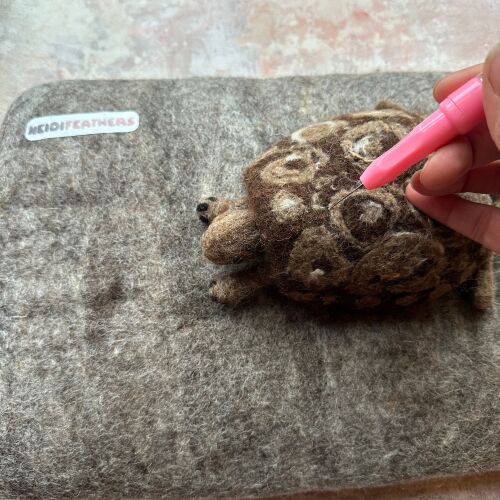
Loading a Single Needle Handle
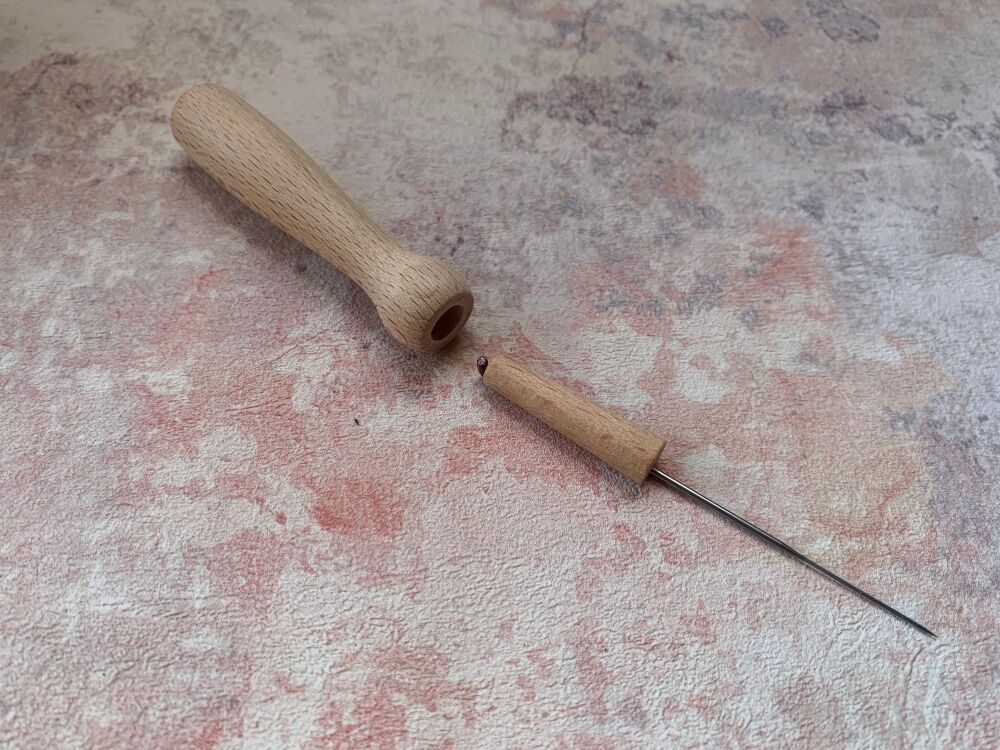
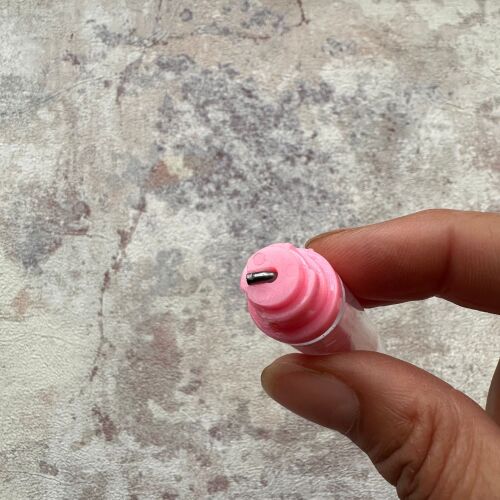
Most single‑needle handles use a push‑fit slot or screw top.
- Open the handle: Remove the peg, or unscrew the top.
- Insert the needle onto the peg or drop into the hole: Blunt end inside, barbed end outward.
- Align the needle straight: Prevents wobble and breakage.
- Replace the peg into the handle or re-screw the top: Secure but don’t overtighten.
- Test the fit: A gentle wiggle should show no movement.
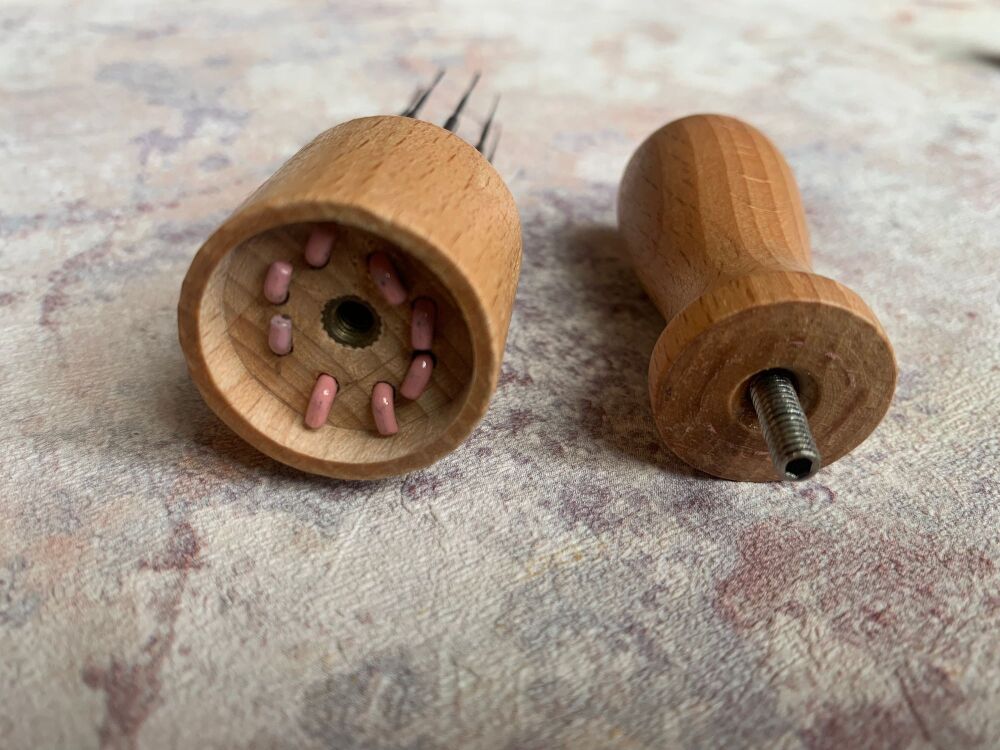
Loading a Multi Needle Handle
Multi needle handles often use a plate, clamp, or slotted base.
- Open the needle chamber: Remove cap, plate, or base.
- Place needles evenly: Ensures even entry into the wool.
- Match needle lengths: Uneven lengths cause wobbling and increase snapping risk.
- Secure the plate or screws: Tighten evenly.
- Check alignment: Look down the cluster for straightness.
Tips for Safe and Effective Loading
- Use gauges 38–46 for smooth stabbing: Ideal for multi needle handles.
- Insert needles straight: Angled loading causes instant breakage.
- Don’t force the needle: If it resists, the handle may need a different gauge.
- Keep spare needles nearby: Makes loading easier and calmer.
How to Know It’s Loaded Correctly
- The needle doesn’t wiggle
- The barbs point downward
- The handle feels balanced
- Stabbing feels smooth, not rattly