
Choosing the Right Wool for Wet Felting Projects
Posted on
Tutorial: Types of Wool for Wet Felting
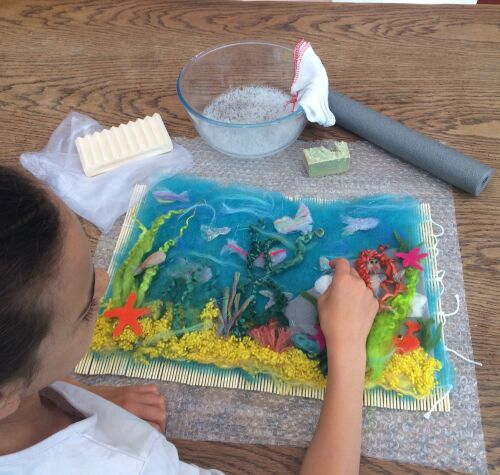
Wet felting depends on both the preparation of the fibre (tops, sliver, batts) and the thickness of the fibre (micron count). Fibre thickness affects shrinkage, texture, and durability, while handling techniques ensure fibres bond smoothly.
Fibre Thickness (Micron Count)
- 18–21 microns: Very fine fibres such as Merino or Bluefaced Leicester. They felt quickly, produce a smooth finish, and create a delicate drape. Best for scarves, clothing, and fine accessories.
- 22–25 microns: Medium fibres such as Corriedale or Finn. They balance softness and strength, with moderate shrinkage. Good for bags, hats, and medium-weight projects.
- 26–30 microns: Coarser fibres such as Shetland or Romney. They felt more slowly, create firm structure, and give a rustic texture. Ideal for slippers, vessels, and wall hangings.
- 30+ microns: Very coarse fibres such as Herdwick or Icelandic. Strong and highly textured, they are best for rugs, sculptural pieces, and durable items.
Wool Tops
- Fibres are combed into alignment, producing a sleek finish.
- Fine tops (18–21 microns) give silky, wearable projects.
- Handling tip: Use thin, even layers. Overlap them carefully so fibres lock together.
- Best for scarves, clothing, and detailed surface design.
Wool Sliver
- Fibres are aligned but looser than tops, making them versatile and forgiving.
- Medium fibres (22–25 microns) are reliable for beginners and general projects.
- Handling tip: Spread out or pull into thin sections before layering. Avoid using thick ropes, which resist bonding.
- Best for base layers and balanced projects.
Wool Batts
- Fibres are carded into airy sheets with multidirectional alignment.
- Coarse batts (26+ microns) add bulk and structure, while finer batts give smoother layering.
- Handling tip: Spread and thin the batt to create layers that join well. Build structure with multiple thin layers rather than one thick sheet.
- Best for 3D projects, vessels, slippers, and textured surfaces.
Practical Notes
- Fine fibres shrink more, so plan for greater size reduction in wearables.
- Coarse fibres resist shrinkage, making them ideal for durable, structural items.
- Blending fibres works well: use batts for bulk and add fine tops for surface detail.
- Always test a small sample to check shrinkage and bonding before starting a large project.
And review from raw locks to tops with The Flock and what to buy for your project with The Felt Hub.