
2D Needle‑Felted Pet Portrait Tutorial
Posted on
2D Needle Felted Pet Portrait Tutorial
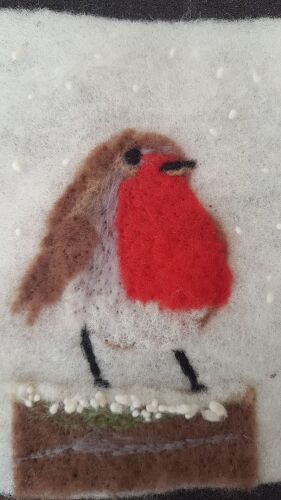
A gentle, structured guide for creating flat wool “paintings” of beloved pets.
Needle felting isn’t just for sculpting, it can also be used to “paint” with wool, creating soft, textured portraits full of warmth and character. A 2D needle‑felted pet portrait captures the spirit of a beloved animal using nothing more than fibres, a felting needle, and a gentle layering process. This technique is wonderfully accessible for beginners and endlessly expressive for experienced makers.
In this tutorial, you’ll learn how to build a flat wool portrait step by step: from choosing the right reference photos, to blocking in shapes, layering colours, and adding those tiny details that bring a face to life. Whether you’re creating a keepsake of your own pet or a thoughtful gift for someone else, this guide will help you craft a portrait that feels personal, soft, and full of character.
Materials
- Wool batt or felt sheet for your backing
- Core wool for soft underlayers
- Coloured topcoat fibres matched to the pet’s fur
- Felting needles (coarse, medium, fine)
- Foam or wool mat
- Reference photos (front, side, close‑up of eyes)
- Small scissors for trimming
- Optional: water‑soluble pen or tracing paper
Step 1: Prepare Your Reference
- Choose 2 to 4 clear photos showing markings, expression, and fur texture.
- Note fur direction, colour shifts, and distinctive features.
- Lightly sketch or trace the outline onto your backing to keep proportions accurate.
- Alternatively, trace around the picture with an iron‑on pen and transfer it directly onto your felt base.
Step 2: Create the Base Layout
- Begin with very thin wisps of core wool.
- Block in the overall silhouette of the head, ears, and major shapes.
- Keep everything soft and lightly tacked down, this is your map, not the final layer.
Step 3: Build the Underpainting
Think of this stage like the first wash in a painting.
- Add mid tone colours across the face.
- Use broad, gentle stabbing to secure fibres without over compacting.
- Establish light and shadow early to create depth and form.
Step 4: Add Fur Layers & Markings
- Work in small patches, layering colours gradually.
- Use directional stabbing to mimic the natural flow of fur.
- Add markings (stripes, masks, spots) with thin, controlled wisps.
- Blend edges by overlapping fibres, not trimming.
Step 5: Create the Eyes
Eyes bring the portrait to life.
- Add a slightly darker underlay where the eyes will sit.
- Build the iris with tiny amounts of colour.
- Add a dark pupil, then a pinpoint of white for the highlight.
- Shape eyelids with thin strips of wool to soften the edges and add realism.
Step 6: Shape the Nose & Mouth
- Form the nose with tightly felted dark wool.
- Add nostril shadows using a fine needle.
- Create the mouth line with a single thin strand of wool.
- Blend surrounding fibres to avoid harsh outlines and keep the expression soft.
Step 7: Refine Texture & Details
- Use a fine needle for crisp edges and surface detailing.
- Add highlights around the eyes, muzzle, and ears.
- Introduce subtle colour shifts to mimic real fur depth.
- Trim sparingly, only to tidy stray fibres.
Step 8: Finishing & Presentation
- Give the portrait a final check for symmetry, expression, and likeness.
- Mount on a hoop, frame, or stiff felt backing.
- Add a name tag or decorative border if desired.
Next steps Faelanda Fiber Art with tutorial on a cat picture, Sarah Vaci on animal eyes and madebybarb.com Creating a dog picture.