Felting Needle Types Explained
Posted on
What Makes One Needle Different From Another?
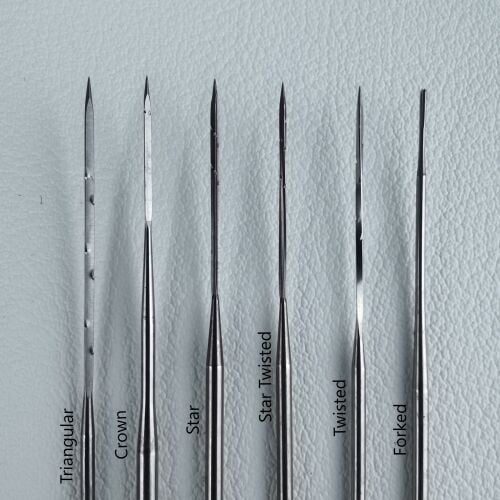
Felting needles vary by:
- Gauge (thickness)
- Number of barbs (speed vs accuracy)
- Shape of the blade (triangular, star, twisted, etc.)
- Barb placement (regular, crown, reverse)
- Specialised tips (forked for rooting)
Each variation changes how the needle interacts with wool—how fast it felts, how smooth the finish is, and how much control you have.
Main Needle Types
Triangular Needles (Regular)
- Shape: 3-sided shaft with barbs along each edge
- Behaviour: The “standard” felting needle—predictable, versatile, and good for most tasks
- Best for:
- Starting shapes
- General sculpting
- Firming forms
- Adding medium–fine detail (depending on gauge)
Why they matter: Fewer sides = fewer barbs = more control. Great for sculptors who want precision.
Crown Needles (Triangular Crown)
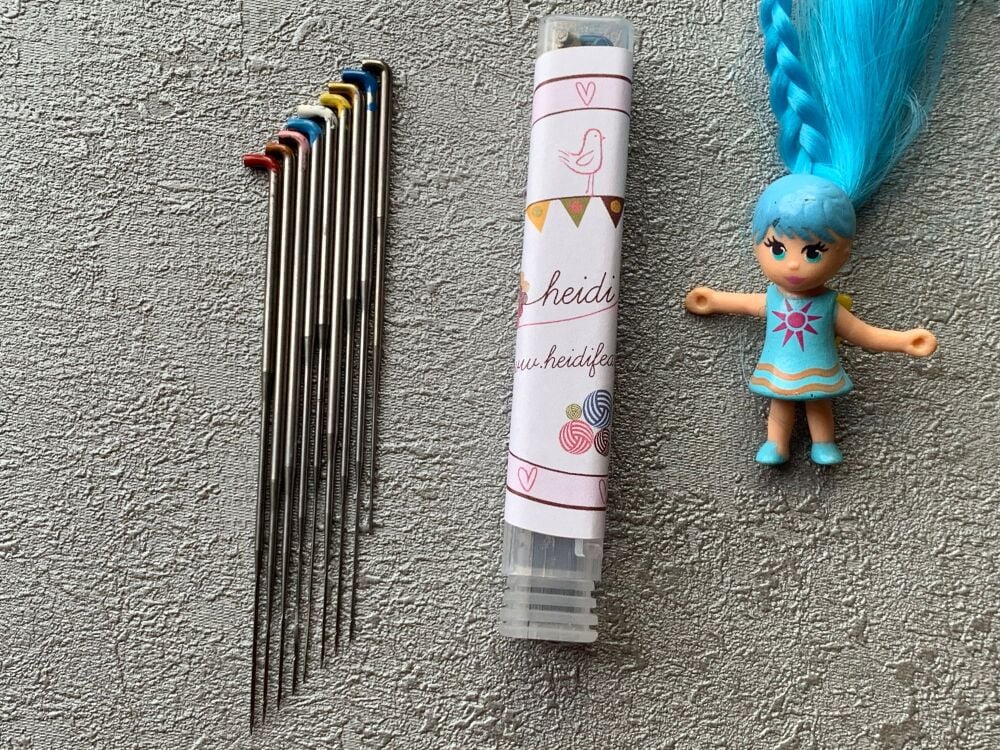
- Shape: Triangular shaft but only 3 barbs, all placed right at the tip
- Behaviour: Very gentle, very precise, minimal surface disturbance
- Best for:
- Smoothing surfaces
- Adding tiny details (eyes, ears, nostrils)
- Rooting fine or sparse hair (eyelashes, baby hair)
Why they matter: Because the barbs are only at the tip, they felt without leaving dents.
Twisted (Spiral) Needles
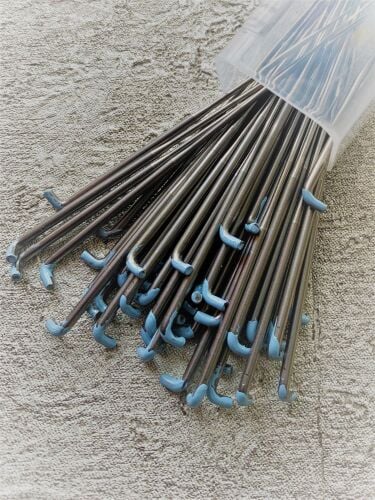
- Shape: A triangular blade that spirals like a drill bit
- Behaviour: Pulls fibres in from multiple angles, creating a denser, smoother felt
- Best for:
- Fast felting
- Firming forms evenly
- Smoothing surfaces
- Rooting hair (because the twist grips fibres well)
Why they matter: They felt faster than regular triangular needles and leave fewer visible holes.
Star Needles
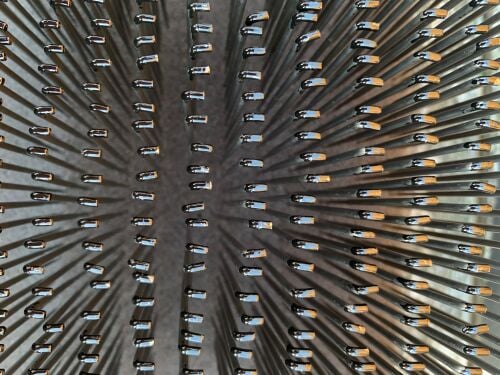
- Shape: 4-sided shaft with barbs on each edge
- Behaviour: More barbs = faster felting
- Best for:
- Starting projects
- Firming large areas
- Speeding up early stages
Why they matter: They’re efficient—great for building bulk quickly.
Twisted Star Needles
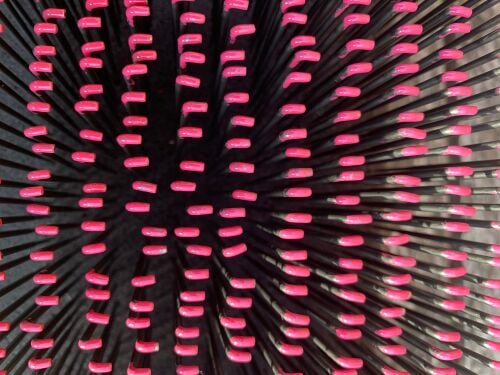
- Shape: A star-shaped shaft that also spirals
- Behaviour: The fastest, most aggressive felting of all the standard needle types
- Best for:
- Rapid firming
- Working on dense wool
- Sculptors who want speed without sacrificing smoothness
Why they matter: They combine the speed of star needles with the smooth finish of twisted needles.
Forked Needles
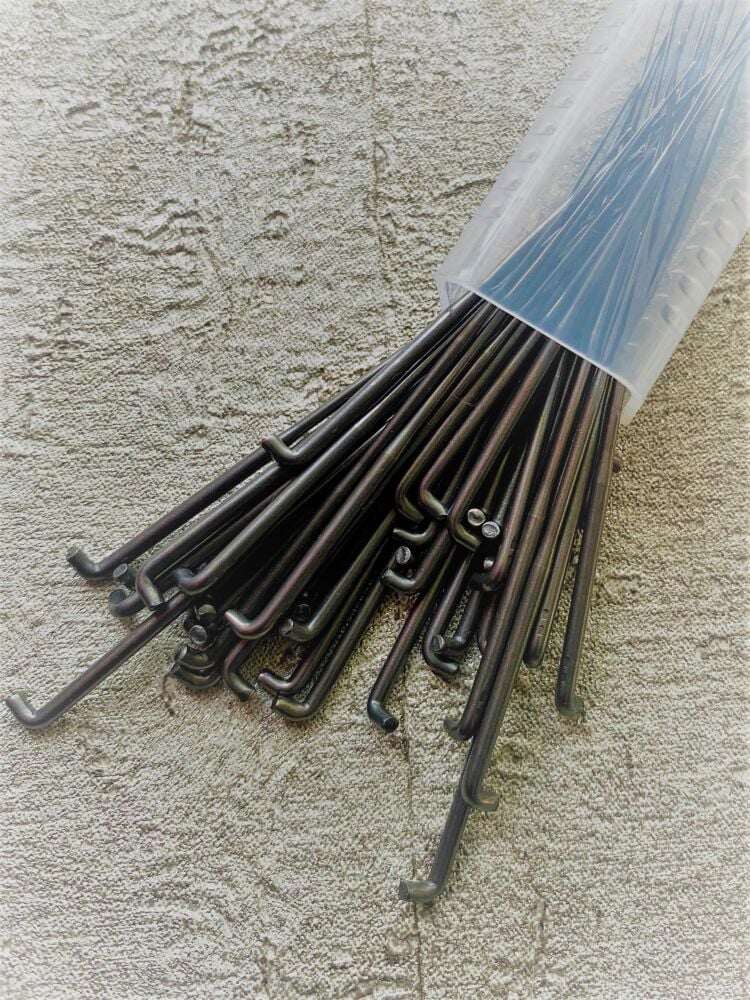
- Shape: Smooth round shaft with a tiny fork at the tip
- Behaviour: No barbs—grabs fibres mechanically rather than felting them
- Best for:
- Very fine hair rooting
- Working with 1–2 hairs at a time
- Hyper‑realistic doll work
Why they matter: They root hair without creating holes or felting the surrounding wool.
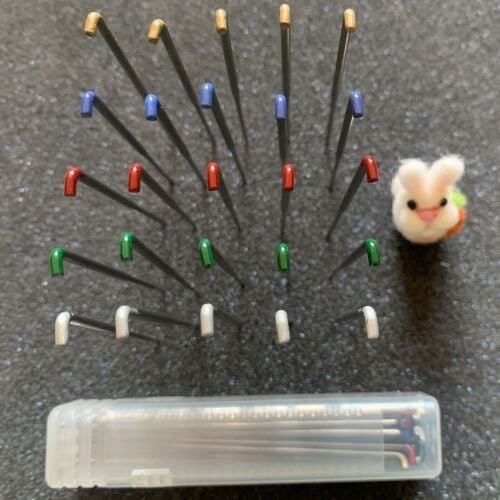
Why Colour‑Coded Needles Are So Helpful
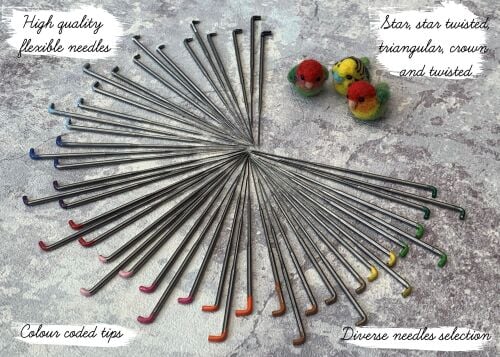
Colour coding solves a huge practical problem: felting needles all look the same at a glance.
Colour coding helps with:
- Instant identification of gauge
- Faster workflow—no guessing or testing needles
- Avoiding mistakes like using a coarse needle on fine detail
- Teaching beginners—easy to say “switch to the blue 40G”
- Rooting consistency—hair density depends on gauge, so colour coding keeps results predictable
For a brand like Heidifeathers, the colour system becomes part of the maker’s muscle memory—green = 36G, red = 38G, blue = 40G, etc. It makes the whole process smoother and more intuitive.