
How to Needle Felt Small Toes, Paws or Feet and Hands from Simple to Advanced
Posted on
Needle Felted Toes and Feet — Clear Practical Guide
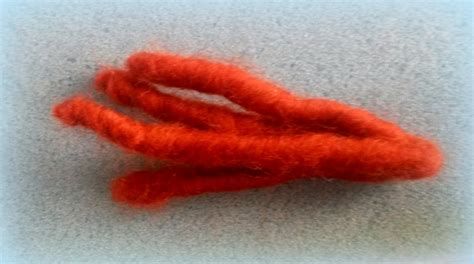
This guide gives three approaches for feet detail and a wired-toes method, with shaping, finishing, and troubleshooting.
Materials
- Wool: dark and light felting wool; merino for fine wrapping
- Needles: medium and thin barbed felting needles
- Support: felting pad or brush
- Wire options: pipe cleaners or thin bare wire
- Tools: scissors; thumb guard; fine files or emery board; small brush for surface tidying
- Reference: photos of real paws
Basic Rounded Feet
- Shape a loose ball of wool and felt to a smooth rounded form, flattening slightly where it will sit.
- Attach by felting across the join until secure.
- Blend by pulling fine fibres from the body over the seam and felting gently to hide the join.
- Tidy stray fibres with light surface felting for a clean silhouette.
Paw Pads and Subtle Toes
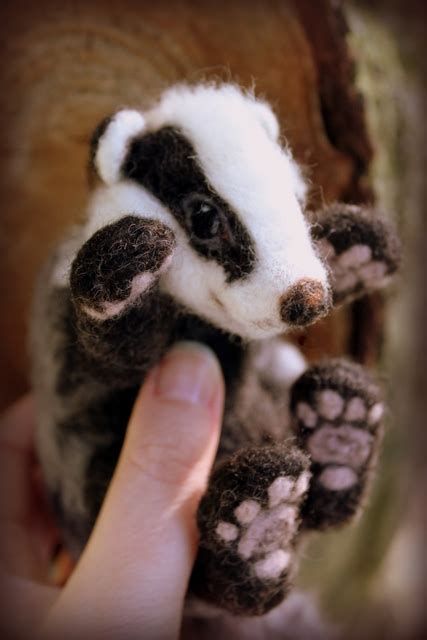
- Start from a rounded foot made as above.
- Place small blobs of lighter wool on the underside and felt lightly to form pads.
- Add a few darker fibres over pads for shading and a natural furry look.
- Suggest toe separation by felting narrow wisps of wool between pads or by stabbing fine lines with a thin needle.
- For front paws, build thin sausage shapes for fingers and felt lightly to define knuckles.
Wired Toes for Bendable Detail
- Prepare two lengths of wire or pipe cleaner per foot; make one length slightly longer, so centre toes read naturally longer than outer toes.
- Wrap a strip of wool about one-and-a-half times the wire length flatly and tightly around each wire, keeping overlaps neat.
- Fold the wool over each tip and felt the ends firmly, avoiding striking the needle on metal.
- Bend wrapped wires in half to create toe pairs and twist the pair bases together, so the longer wires become centre toes.
- Wrap thicker wool around the twisted base to form the foot and felt into shape, spreading toes into the desired pose.
- Felt between toes to create knuckles and pads; leave a small loosely felted collar at the top for a clean join to the leg.
- Choose pipe cleaners for quicker, sturdier toes and bare wire for very fine, tapered toes.
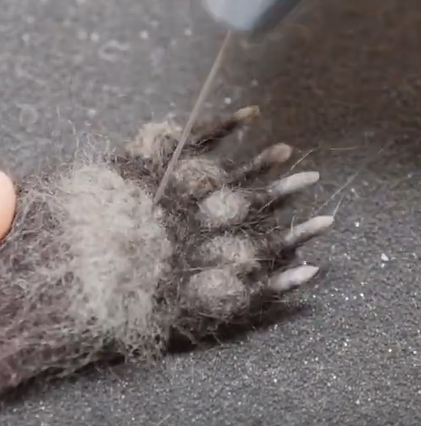
Step 5 Shaping and Finishing
- Refine toe shape with fine needles and small tacking felts to smooth joins.
- Trim and file any excess wire or clay until edges are flush and safe.
- Blend surface wool outward from each toe to erase seams and create natural transitions.
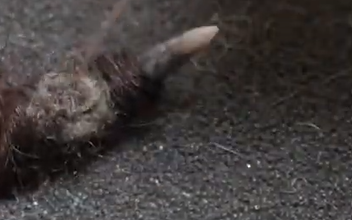
- Add tiny paint highlights or a touch of matte varnish on nails for realism.
- Perform final surface tidying with a fine needle or small brush to remove loose fibres.
Troubleshooting
- Toes wobble: compress the foot core more, use a longer wire stem, or add a drop of minimal glue at the core joint and hide with surface wool.
- Bulky joins: thin the base of the toe by removing some wool or deepen the insertion hole in the body to seat the toe more flush.
- Too stiff waxed toes: warm and knead to soften, or remove some wax by careful trimming before re-wrapping and felting.
- Visible glue: use glue sparingly and conceal it by felting a thin layer of surface wool over the area.
- Needle hitting wire: reposition the wire, switch to gentler surface felting, and use thin needles for detail to avoid breaking them.
Quick Checklist
- Select the level of detail appropriate to scale and pose.
- Prepare blending collars for clean joins.
- Keep thin needles for fine detail and avoid striking metal.
- Allow extra time for wired toes; they add strength and expression.
*Pictures from Fit To Be Loved & Yamanono *
https://www.youtube.com/watch?v=Pj3KDlOa-fE Fit To Be Loved tutorial basic feet with foot pads.
https://www.youtube.com/watch?v=DvBD3rKpqhk Pam Duthie felting feet with defined toes.
https://www.youtube.com/watch?v=JEZCN9NSQwM Mum's Makery wired feet with using wax to finish.
https://www.youtube.com/watch?v=YCNoCpJxc4Q Yamanono youtube with advanced foot, toes, and nails with wire and wax.