
When to Use Core Wool (and When You Don’t Need It) in Needle Felting
Posted on
What core wool is
Core wool is the inner stuffing wool used to build the shape and structure of needle felted sculptures. It is usually:
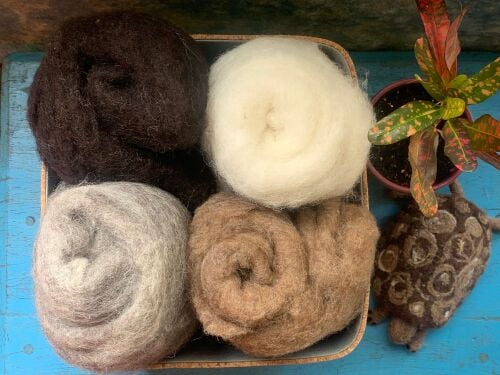
- Carded wool fibres go in many directions, so it felts fast.
- Coarser and springier than merino tops.
- Less processed often natural cream, grey, or mixed.
- Economical cheaper than dyed topcoat wool.
Think of it as the skeleton + stuffing of your project.
How to use core wool
You use core wool to build the inside shape before adding your coloured wool.
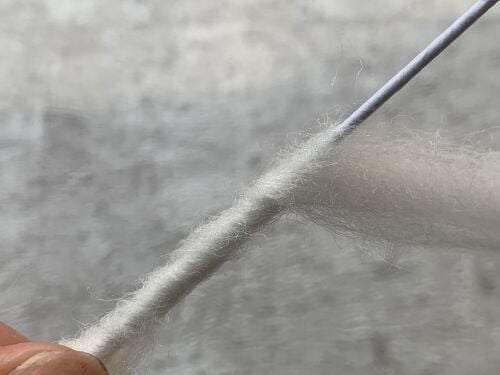
- Grab a handful and tightly roll it into the shape you want (ball, sausage, cone).
- Felt with a coarse needle (36–38 gauge) until it becomes firm and holds its shape.
- Add more wool to grow areas like cheeks, bellies, limbs.
- Stop when firm it should be solid but still pokeable.
- Cover with coloured wool once the core shape is finished.
Core wool is simply the foundation layer you sculpt before decorating.
Types of core wool
There isn’t just one kind. Different makers use different fibres as “core wool.” Here are the main types:
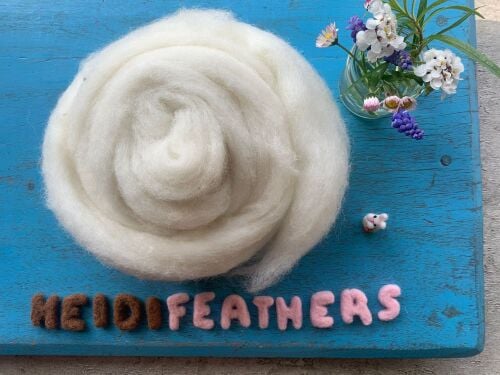
- Carded batt — fluffy sheets of mixed fibres; the most common core wool.
- Carded sliver/roving — long rope like fibre, slightly more organised but still fast felting.
- Coarse breed wool — Romney, Corriedale, Jacob, Shetland, etc.
- Mixed‑grade wool — blends of short fibres, seconds, or mill leftovers; very affordable.
- Washed fleece — unprocessed but clean; rustic and fast felting.
All of these can be used as “core wool” because they felt quickly and build structure.
Do you have to use core wool?
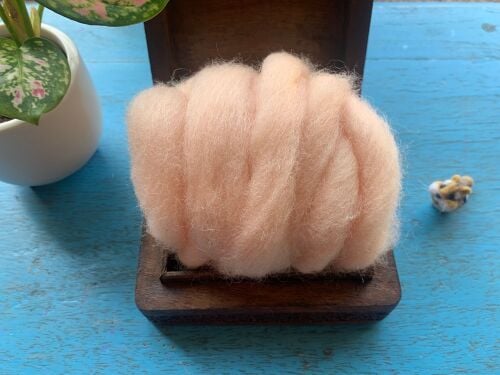
The short answer is no, you don’t have to. But it usually makes felting faster, cheaper, and easier.
You can felt an entire project using any wool that felts, and you may not need core wool at all, especially if:
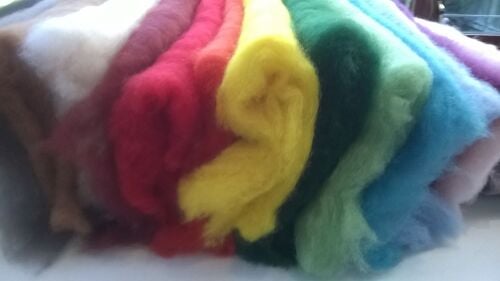
- You’re making a small item
- You’re using dyed batt or sliver (which already felts quickly)
- You’re working in 2D to make a picture
- You’re doing wet felting
However, skipping core wool can mean:
- It may take longer to felt
- You may use more expensive wool than necessary
- The surface may show lumps or unevenness underneath
Supplies list
Next steps
Videos by Felts by Philippa on core wool and The Felt Hub on core wool
Another article you might like How to get better at felting