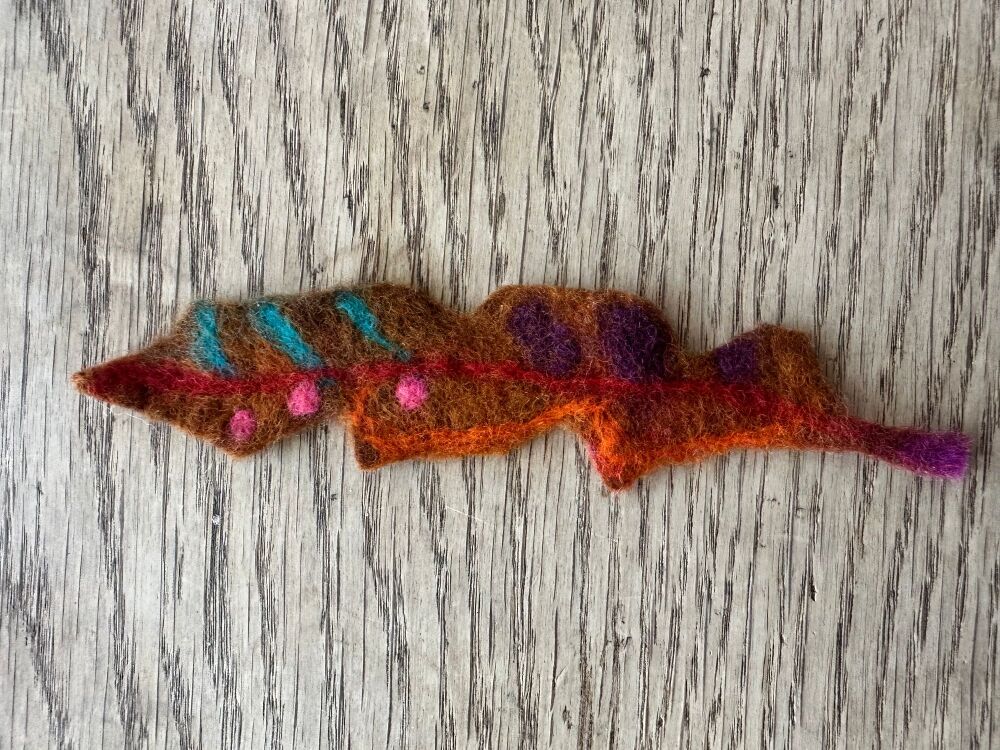
From Fluff to Firm Felt What Fulling Does in Wet Felting
Posted on
What “Fulling” Means in Wet Felting
Fulling is the final strengthening and tightening stage of wet felting. It happens after the fibres have already begun to felt together during the initial layout, wetting, and gentle agitation.
It’s the point where your soft, loose felt transforms into dense, durable, cohesive fabric.
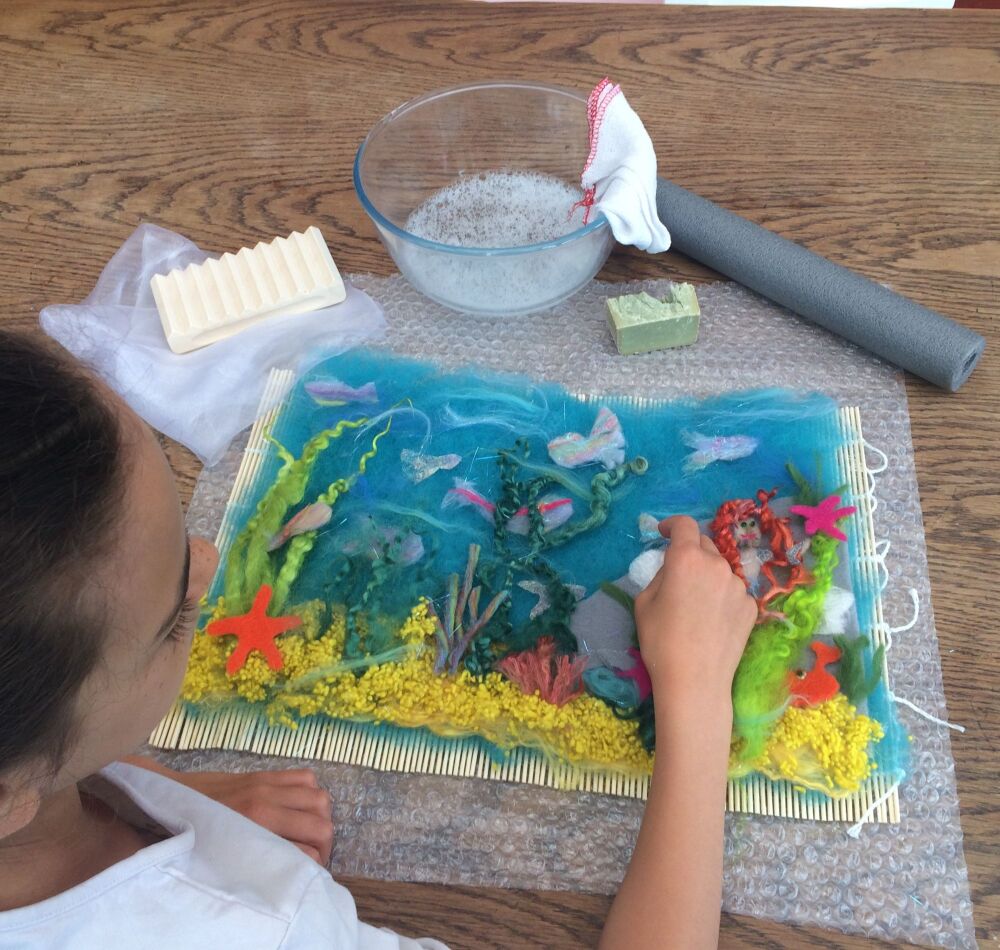
What Actually Happens During Fulling
During fulling:
- The wool fibres contract and interlock more deeply
- The felt becomes thicker, firmer, and smaller
- Surface texture becomes more defined
- Edges tighten and clean up
- The piece gains structural integrity
This is when the felt stops being fragile and becomes something you can confidently handle, shape, or sculpt.
How Fulling Is Done
Makers usually full by:
- Rolling the felt more vigorously
- Throwing or dropping the felt onto the table or in a sink
- Rubbing or compressing it with hands or tools
- Applying directional pressure to shape or shrink specific areas
The key is increasing pressure and agitation compared to the earlier, more delicate felting stage.
Why Fulling Matters
Without fulling, felt stays:
- Soft
- Weak
- Prone to pulling apart
- Lacking crisp edges or definition
With fulling, you get:
- Strength
- Durability
- Shape retention
- A professional finish
It’s the difference between wool that’s merely stuck together and true felt.