March Newsletter
Posted on
Please see out March 2026 newsletter here.

Welcome to the Heidifeathers Blog — your hub for needle felting tutorials, wet felting guides, for beginners and advanced makers. Explore armature techniques, colour blending, shaping methods, detail work, and finishing techniques designed to improve structure, texture, and precision in every felting project.
Each tutorial includes direct links to the exact felting materials, felting needles, wool fibres, and tools used, helping you learn, refine, and build confident, and competent felting results.
We’re here to guide your felting step by step, cheer on your makes, and encourage you to stretch your skills with supplies & techniques. Whatever you’re learning next, you’ll always have clear tutorials, practical tips, and steady support. xx
Posted on
Please see out March 2026 newsletter here.
Posted on
What “Fulling” Means in Wet Felting
Fulling is the final strengthening and tightening stage of wet felting. It happens after the fibres have already begun to felt together during the initial layout, wetting, and gentle agitation.
It’s the point where your soft, loose felt transforms into dense, durable, cohesive fabric.
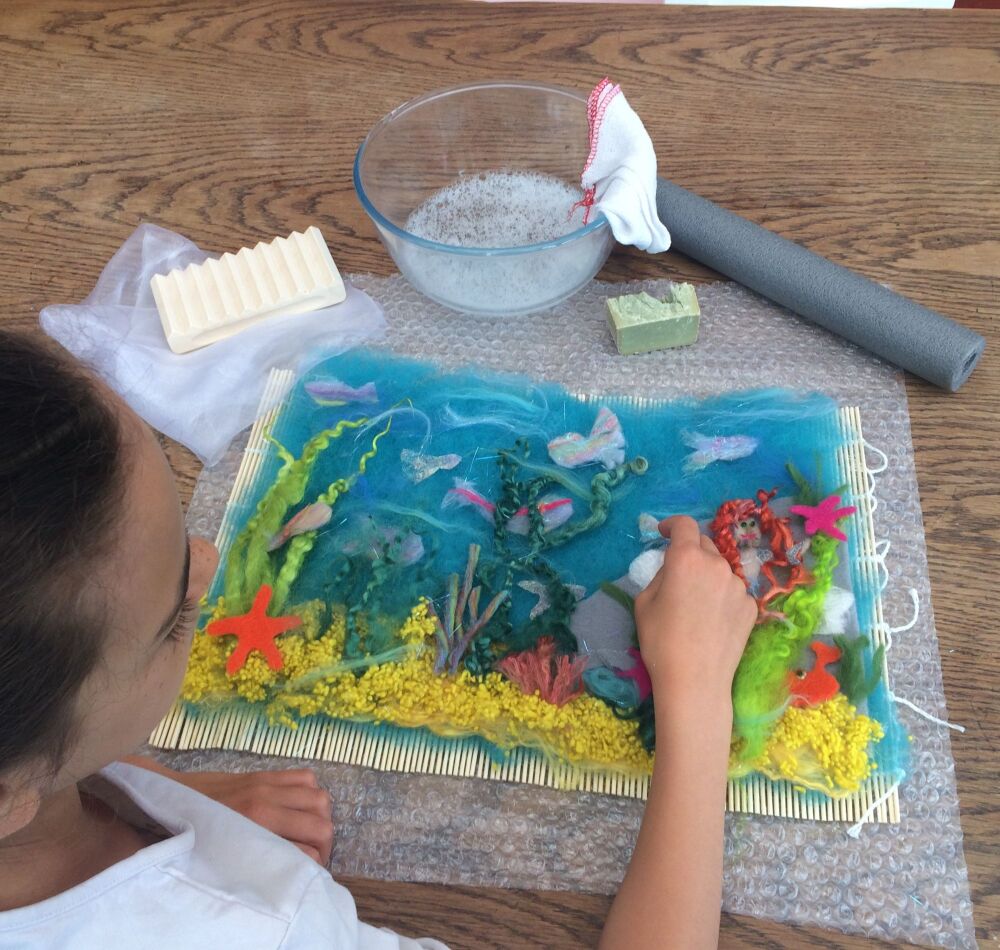
What Actually Happens During Fulling
Posted on
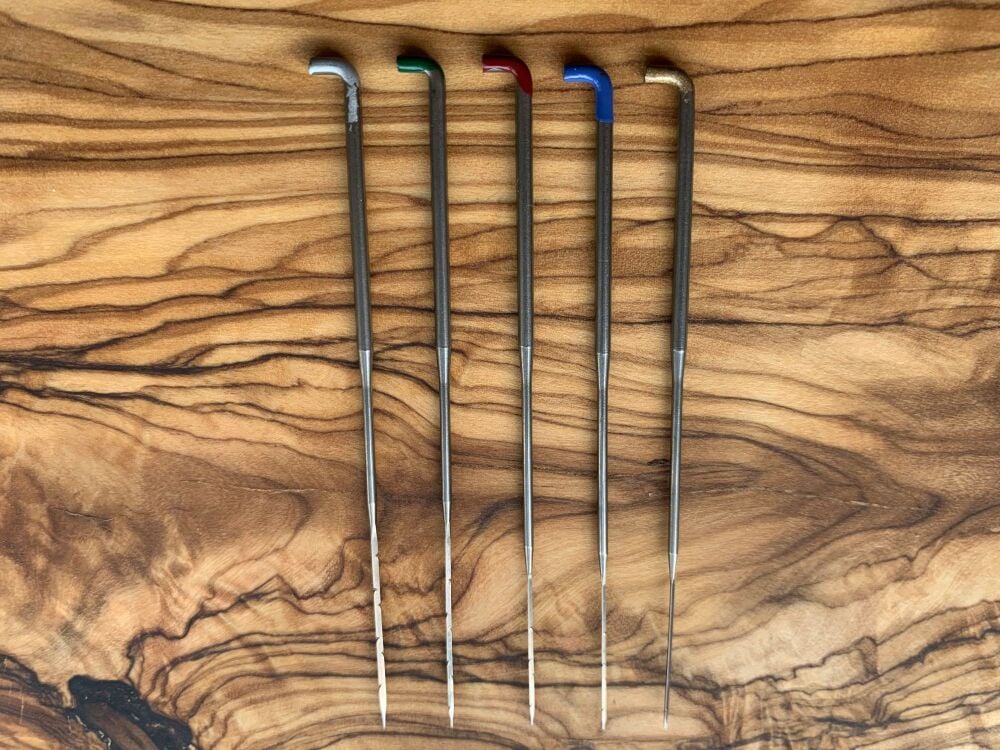
Felting Needle Gauge Guide
How Gauge Works
Posted on
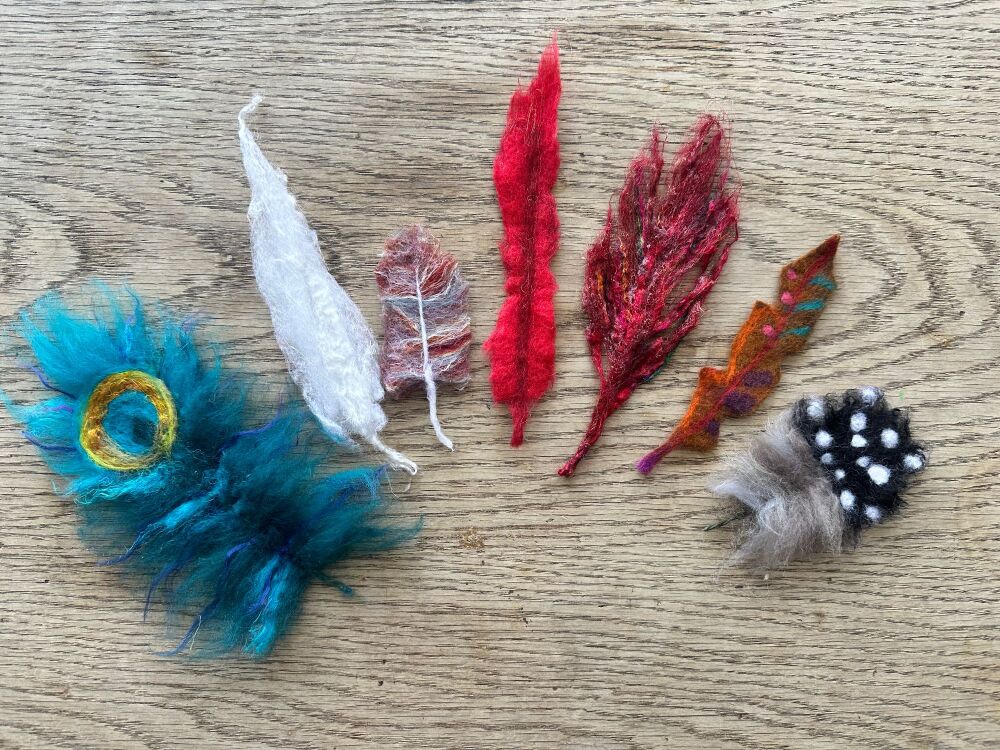
Four fabulous and easy methods for creating beautiful wet felted feathers
Wet felting feathers gives a softer, more organic finish than needle felting alone. These methods allow you to create flat decorative feathers, textured feathers with movement, or sculptural feathers that combine needle and wet felting for strength and detail.
Posted on
How to Make Needle Felted Feathers
A complete guide to four beautiful techniques
Feathers are a versatile and expressive element in needle felting. They can be flat and graphic, soft and organic, sculptural, flexible, or highly structured. Below are four distinct methods for creating felted feathers, each suited to different styles, models, and projects.
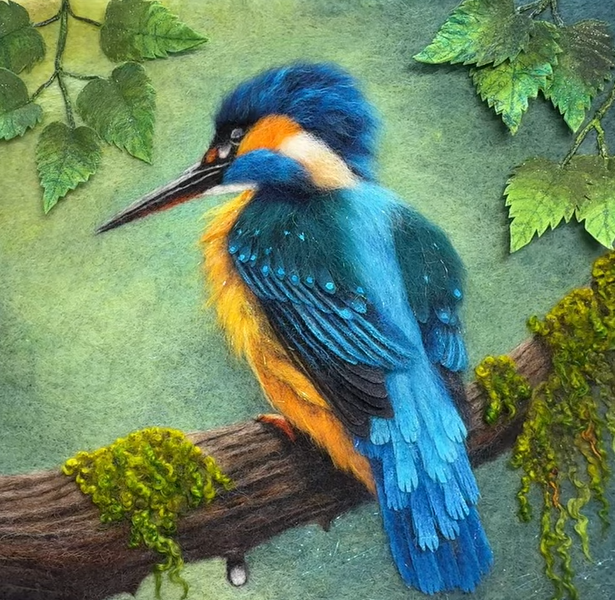
Image Helen Winter Textile Art