When to Use Core Wool (and When You Don’t Need It) in Needle Felting
Posted on
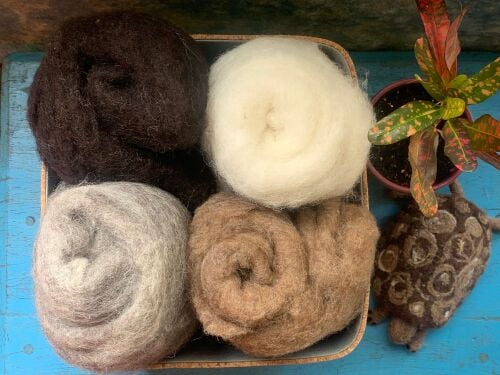
What core wool is
Core wool is the inner stuffing wool used to build the shape and structure of needle felted sculptures. It is usually:

Welcome to the Heidifeathers Blog — your hub for needle felting tutorials, wet felting guides, for beginners and advanced makers. Explore armature techniques, colour blending, shaping methods, detail work, and finishing techniques designed to improve structure, texture, and precision in every felting project.
Each tutorial includes direct links to the exact felting materials, felting needles, wool fibres, and tools used, helping you learn, refine, and build confident, and competent felting results.
We’re here to guide your felting step by step, cheer on your makes, and encourage you to stretch your skills with supplies & techniques. Whatever you’re learning next, you’ll always have clear tutorials, practical tips, and steady support. xx
Posted on
What core wool is
Core wool is the inner stuffing wool used to build the shape and structure of needle felted sculptures. It is usually:
Posted on
How to Make Your Own Wool Locks Using Heat and Wool Tops
Posted on
A Complete Guide to Using Prefelt in Needle Felting and Wet Felting
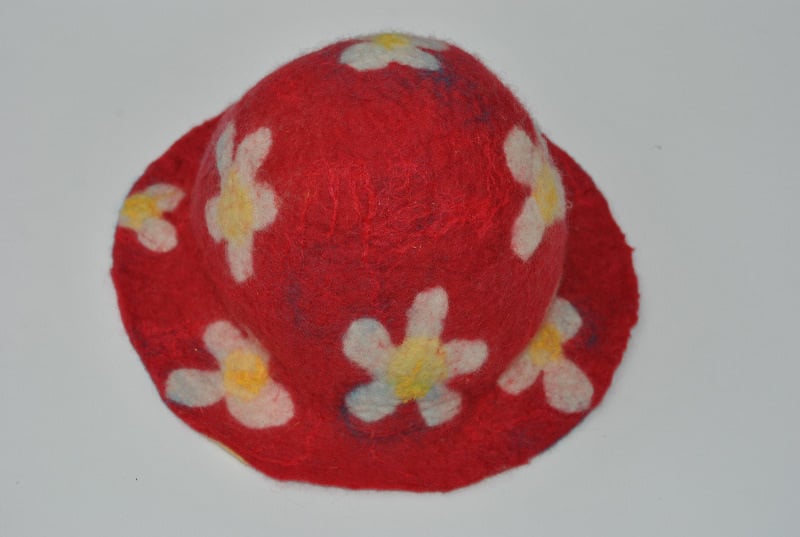
(including how to cut shapes freehand or with templates)
Prefelt (or pre-felt) is partially felted wool that behaves like a soft, flexible fabric. It cuts cleanly, holds its shape, and bonds beautifully to loose wool, making it one of the most useful materials in both needle felting and wet felting.
This guide shows you how to use prefelt confidently.
Posted on
Guide to Making Prefelt
Prefelt is a versatile wet felting basic. It’s simply wool that’s been partially felted, firm enough to lift, cut, and shape, but still soft enough to bond beautifully into your next project. Whether you’re making appliqué pieces, backgrounds, or crisp little cut‑outs, prefelt gives you lots of creative options. Here’s how to make it step by step, plus easy fixes for anything that goes a bit wobbly along the way.
Posted on
Using Silk & Bamboo Fibre in Felting — Quick Guide
Silk and bamboo don’t felt by themselves, but when you add them to wool they give your projects extra strength, smoothness, and beautiful highlights with almost no extra effort.