The Woolsmith’s Handbook Blog

Welcome to the Heidifeathers Blog — your hub for needle felting tutorials, wet felting guides, for beginners and advanced makers. Explore armature techniques, colour blending, shaping methods, detail work, and finishing techniques designed to improve structure, texture, and precision in every felting project.

Each tutorial includes direct links to the exact felting materials, felting needles, wool fibres, and tools used, helping you learn, refine, and build confident, and competent felting results.

We’re here to guide your felting step by step, cheer on your makes, and encourage you to stretch your skills with supplies & techniques. Whatever you’re learning next, you’ll always have clear tutorials, practical tips, and steady support. xx

 RSS Feed

Category: Supplies 101

  1. From Fluff to Firm Felt What Fulling Does in Wet Felting

    Posted on

    What “Fulling” Means in Wet Felting

    Fulling is the final strengthening and tightening stage of wet felting. It happens after the fibres have already begun to felt together during the initial layout, wetting, and gentle agitation.

    It’s the point where your soft, loose felt transforms into dense, durable, cohesive fabric.
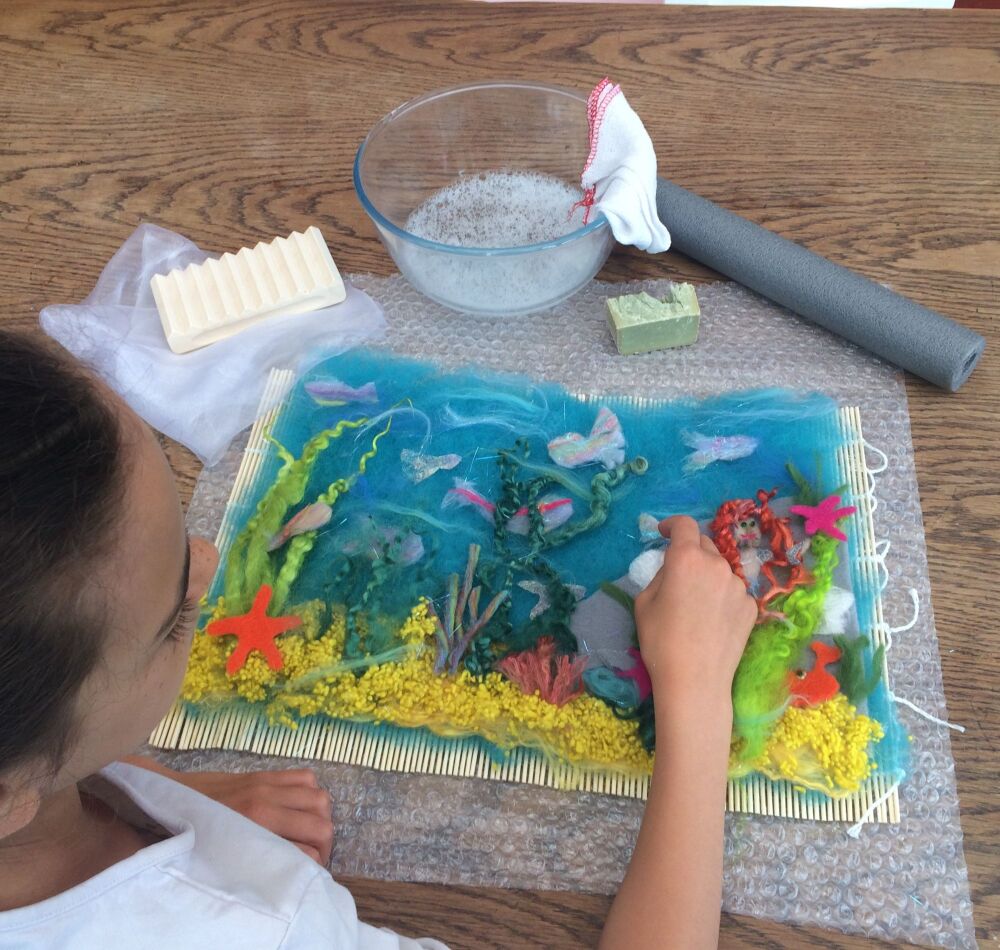
    felting wet 7

    What Actually Happens During Fulling
  2. Best Wool for 3D Needle Felting: Tops, Sliver, Batts and Key Breeds

    Posted on

    Guide to Wool Types for 3D Needle Felting

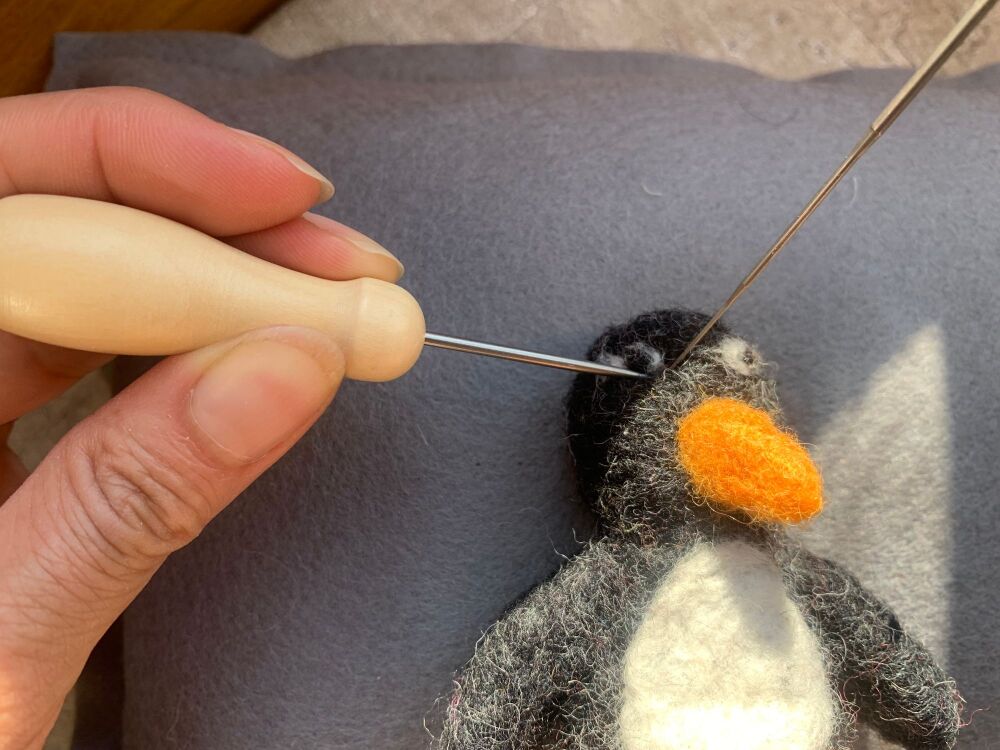
    Choosing the right wool shapes how your sculptures behave under the needle. Some fibres build firm cores quickly, others create smooth outer layers, and some add texture or special effects. This guide breaks down the most common wool types used in 3D needle felting and what each one does best.

    2024-09-24 13.50.56-1

    And remember: if your fibres aren’t behaving, they’re just shear rebels.

  3. Nepps: Tiny Fibres, Big Texture

    Posted on

    What Are Nepps (and What They Actually Do in Felting)

    Nepps are tiny, compact wool pills created during carding. Because the fibres are already tangled into tight little knots, they don’t draft, and they don’t fully integrate into surrounding wool the way regular roving does.

    This is exactly what makes them useful: they sit on the surface of your felt and create texture, speckling, and organic irregularity.

    felting wet nepps